
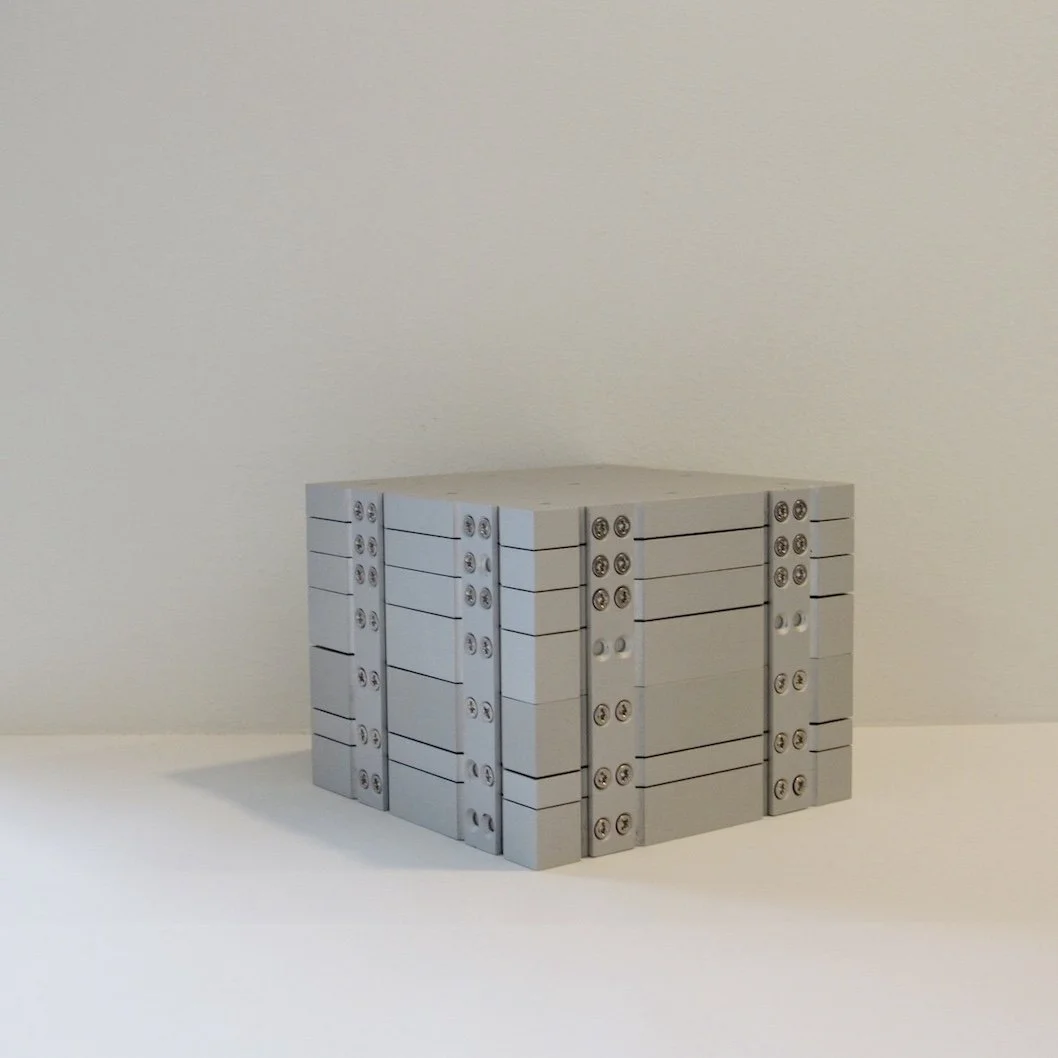
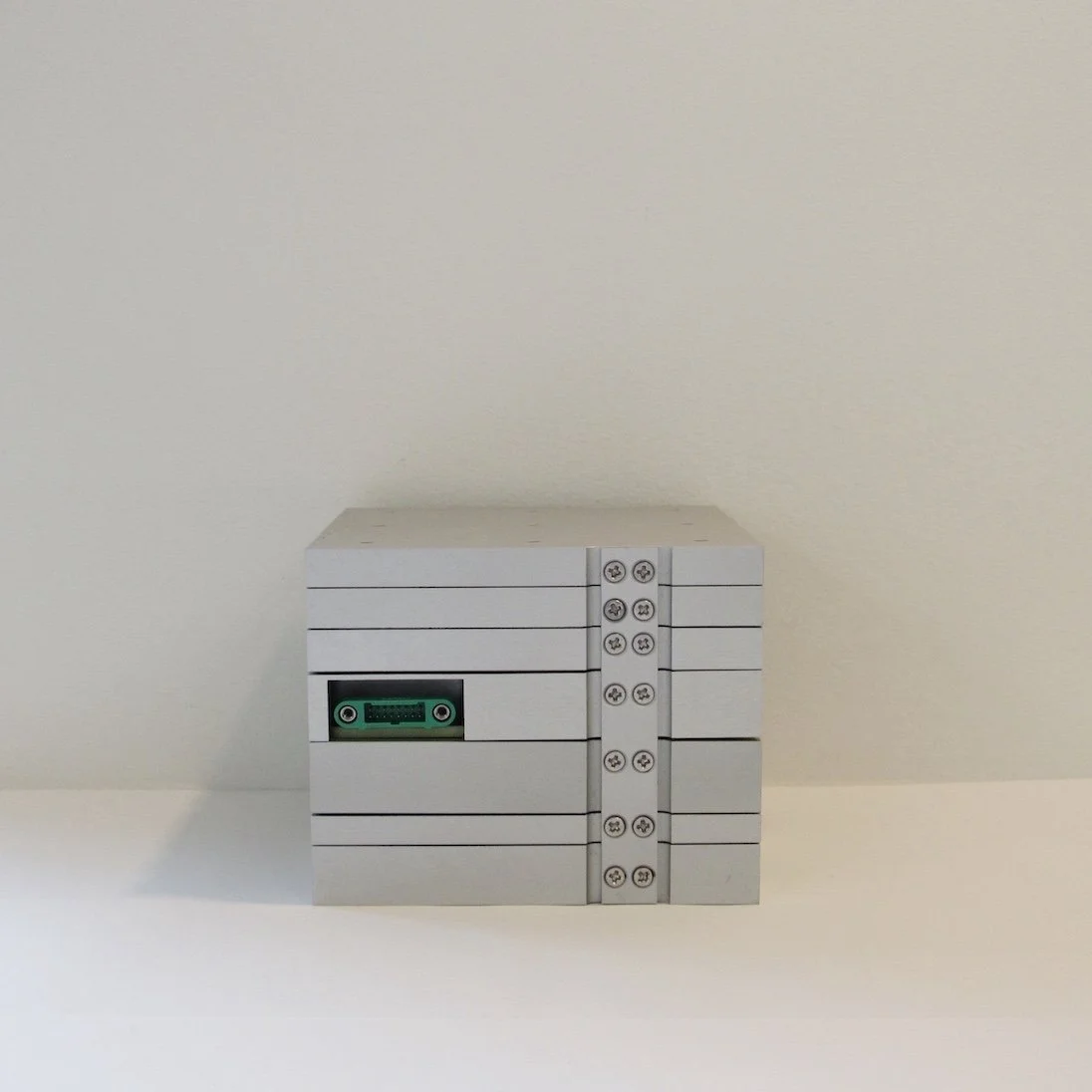
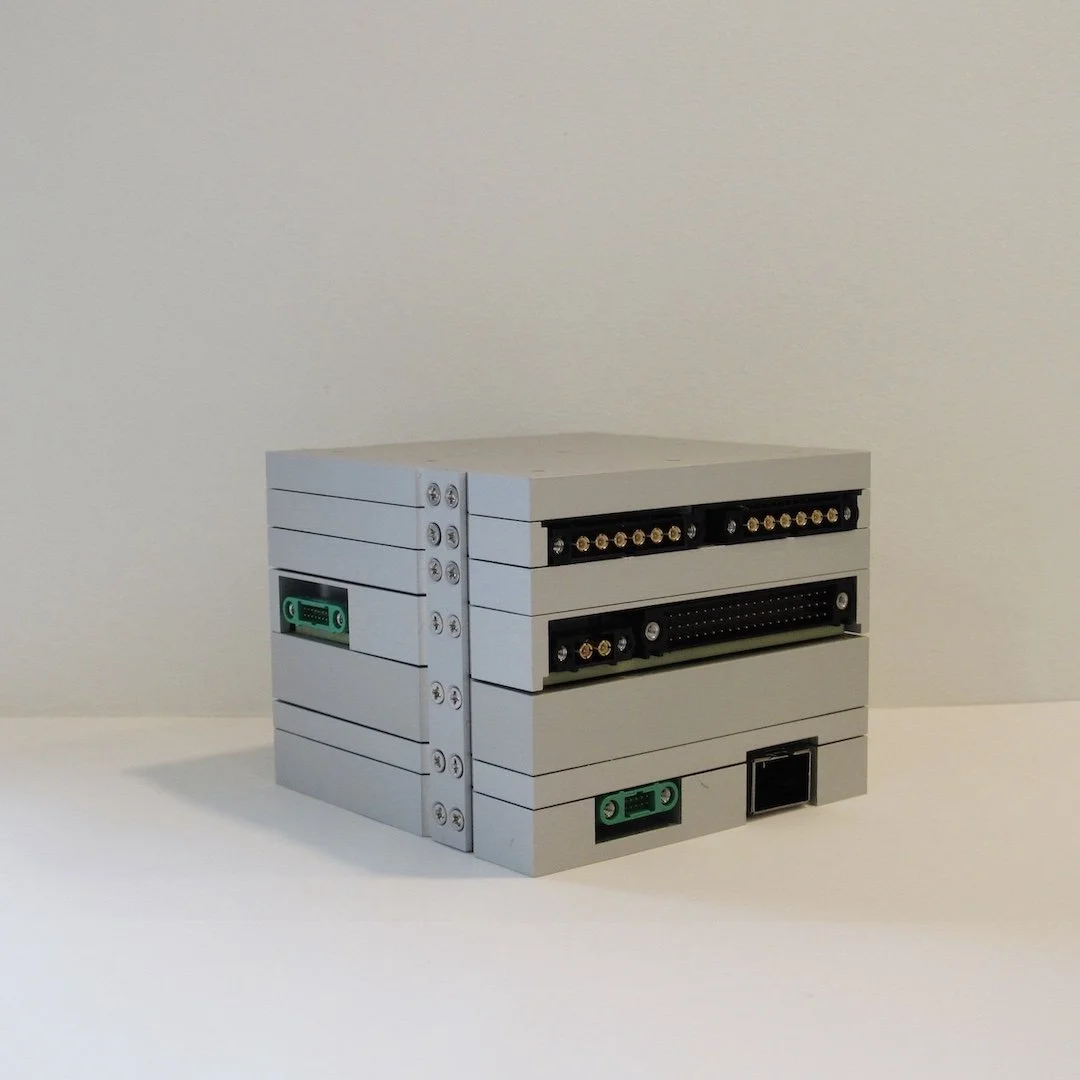
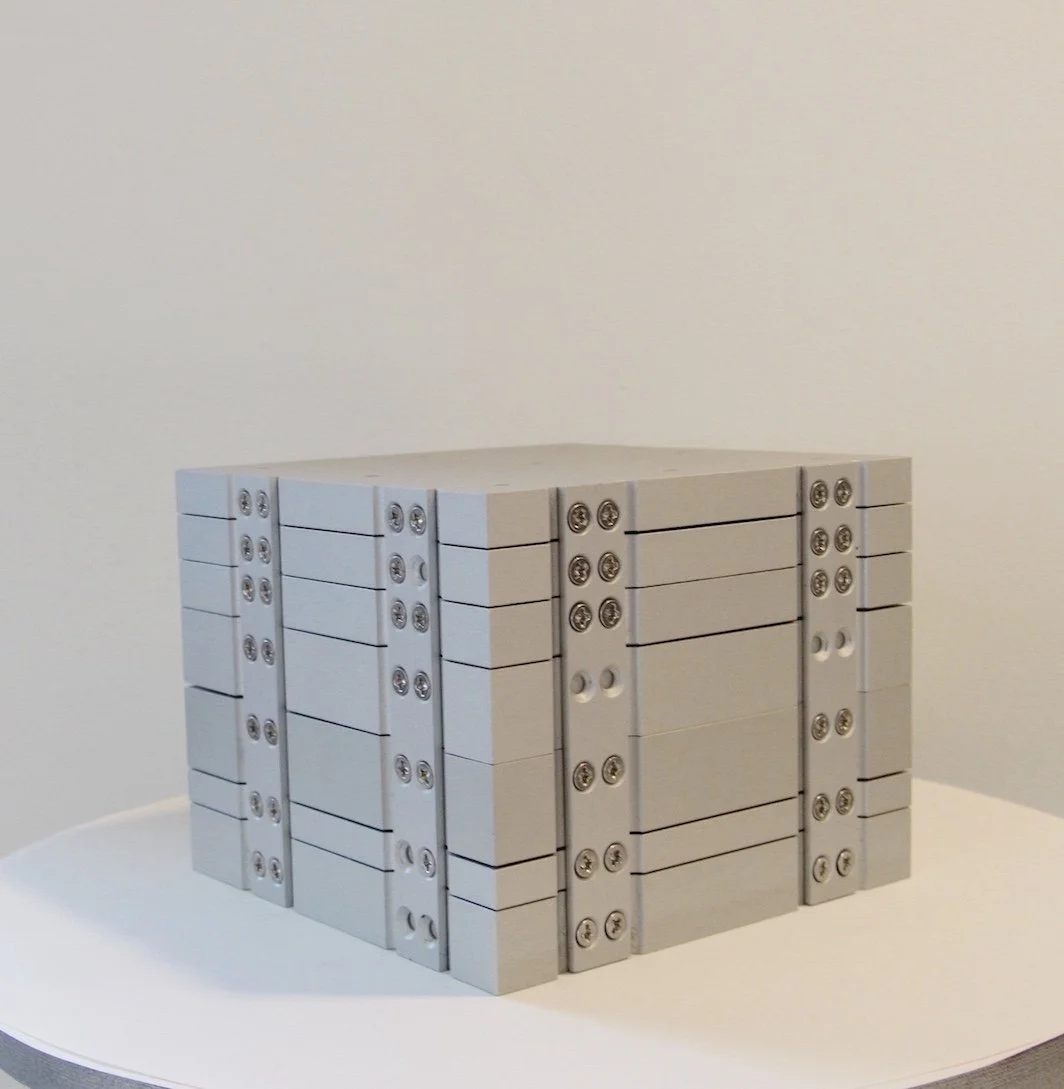
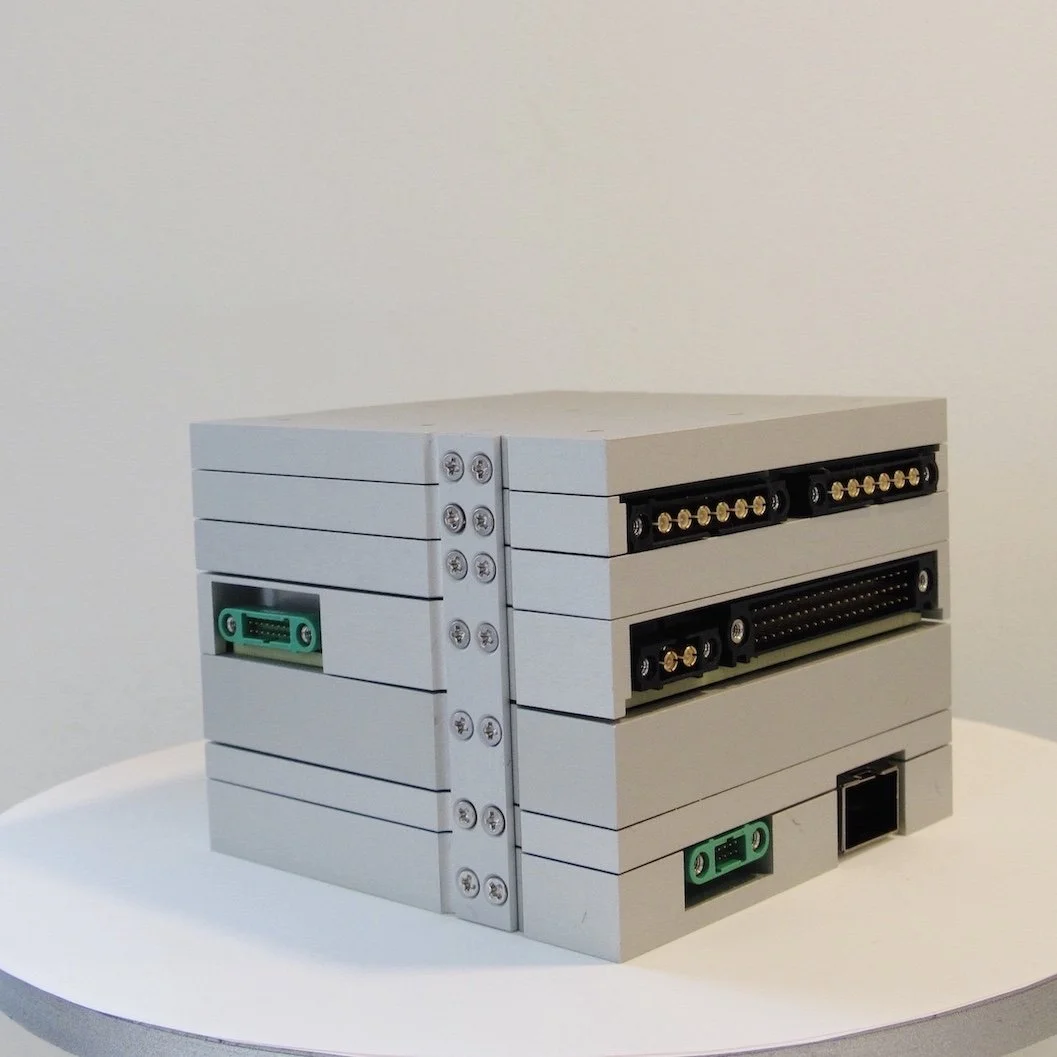
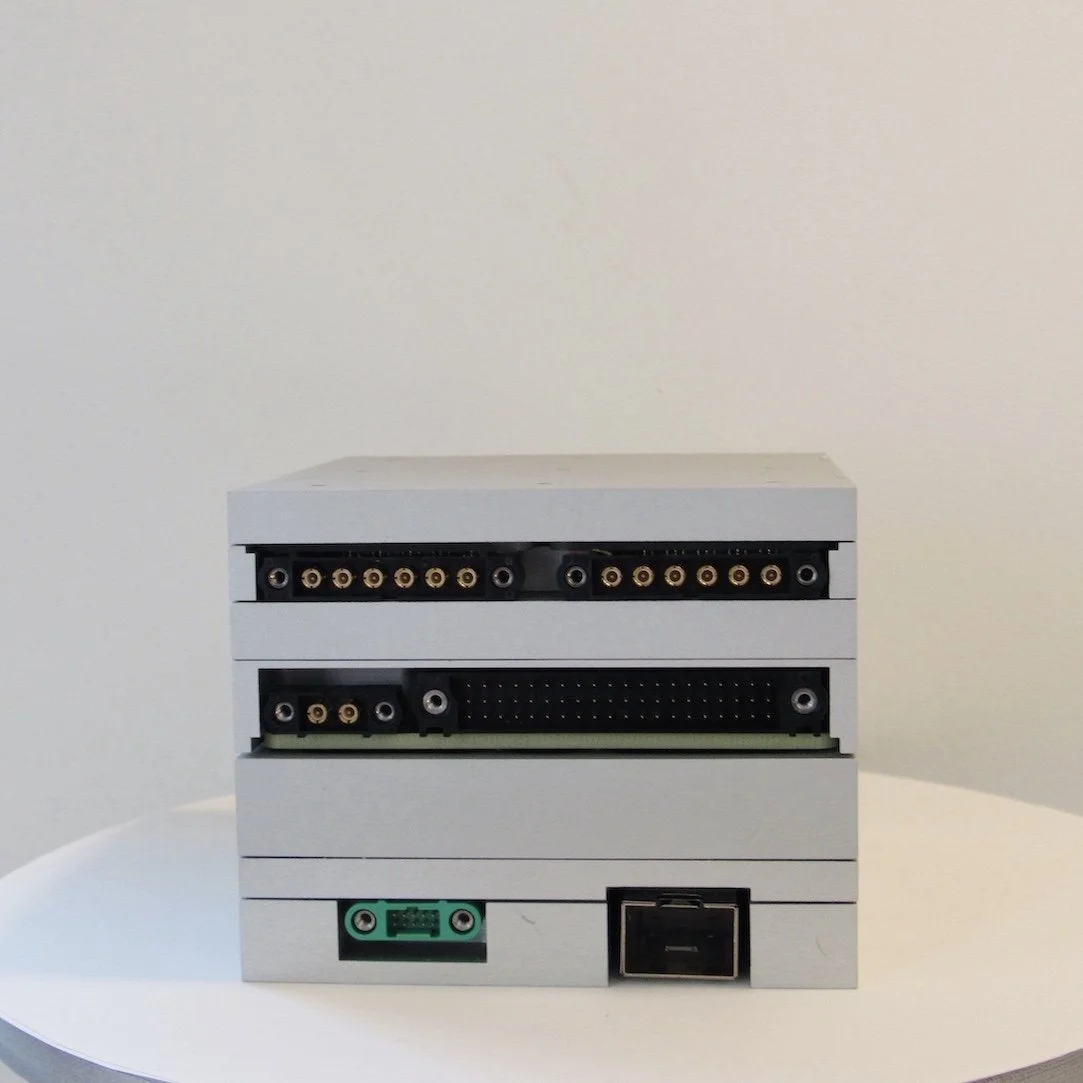
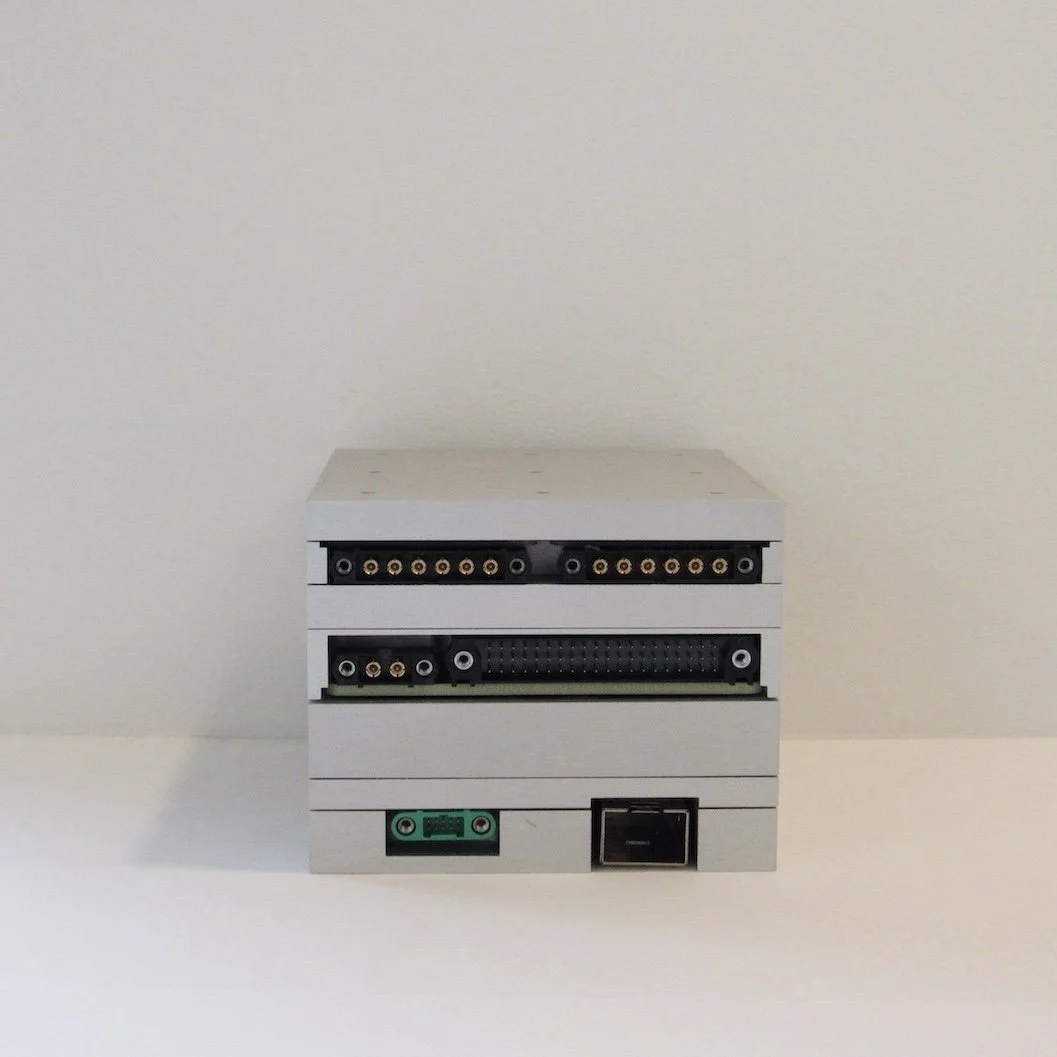
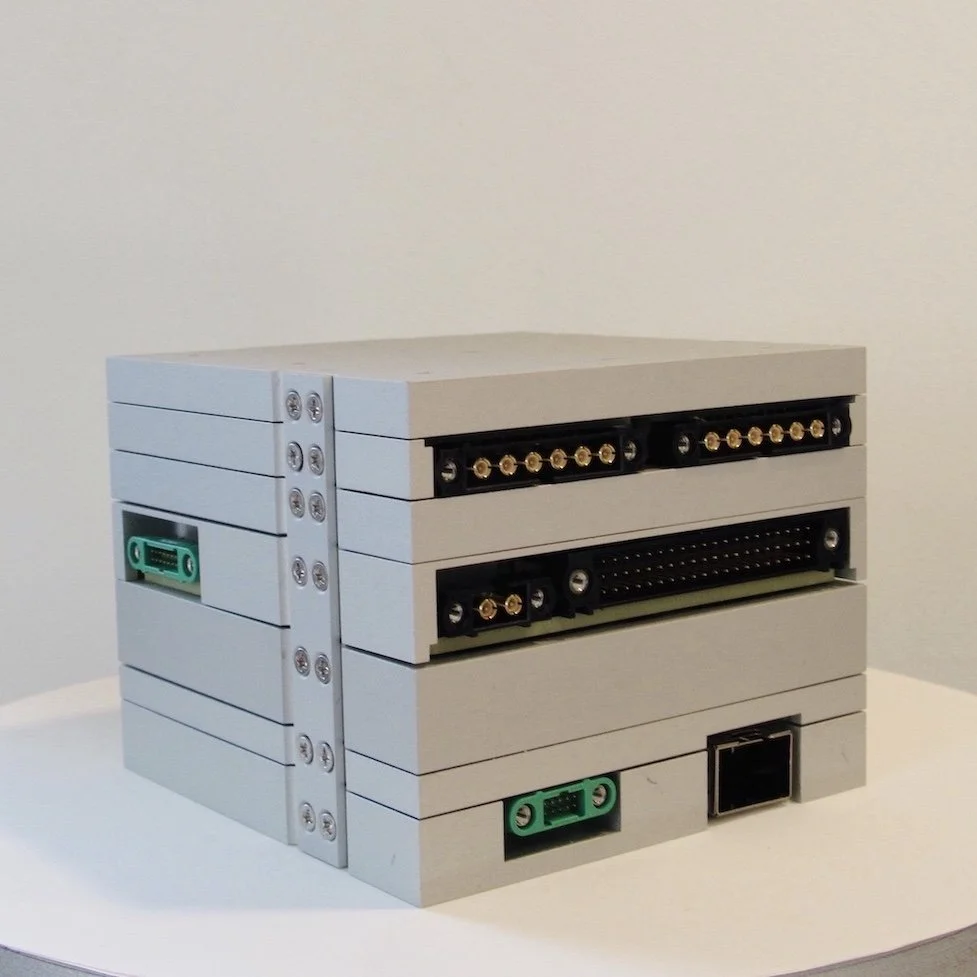
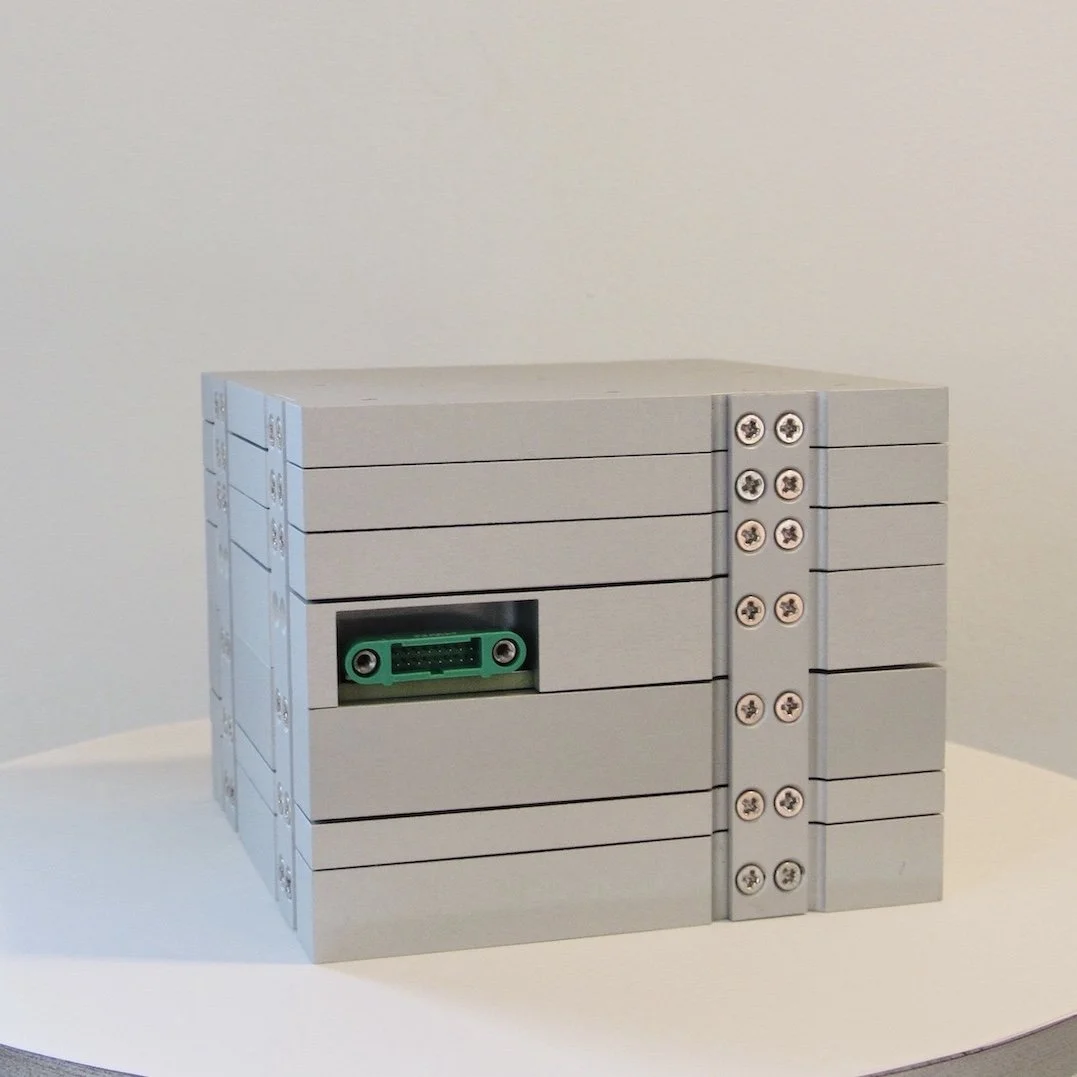
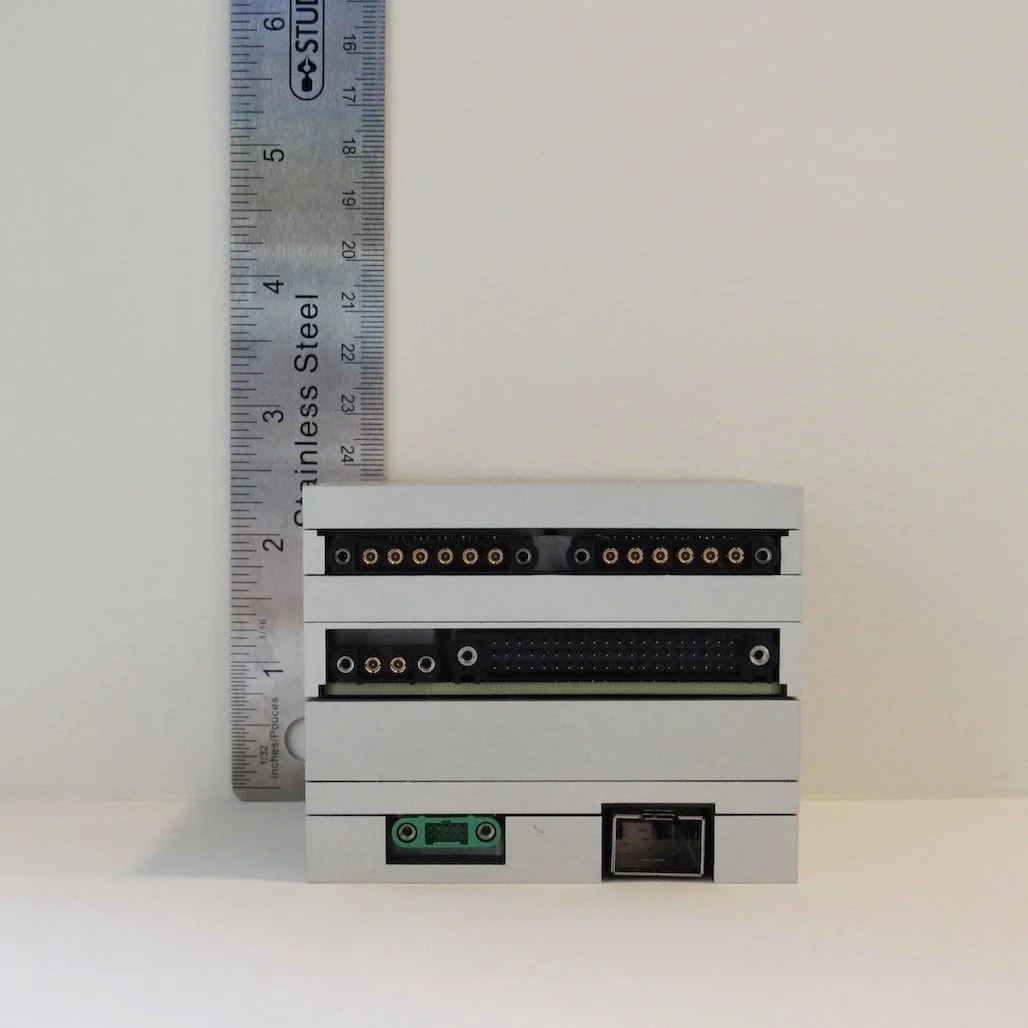
Tempo SDR
One Platform. A Wide Range of RF Missions.
A high-performance, precision-timing software defined radio built for the flexibility and scale of commercial satellite missions.
Tempo combines powerful FPGA-based signal processing with configurable RF transceiver modules, high-speed networking, redundant storage, and space-focused fault protection.
From high-speed communications to remote sensing, radar, and PNT, Tempo gives mission designers a common RF platform that can be configured around the mission — instead of designing a new radio from scratch.
PRE-MARKET | IN DEVELOPMENT
Build the Radio Around the Mission
RF requirements vary enormously from mission to mission — frequency, bandwidth, processing, timing, interfaces, data throughput.
Traditional space radios force programs to choose between a fixed product or an expensive custom development. Tempo takes a different approach: a common processing platform, paired with interchangeable RF transceiver cards, so the mission defines the RF front end — not the other way around.
The architecture that matters when defining the mission. And the platform that matters once you're building it.
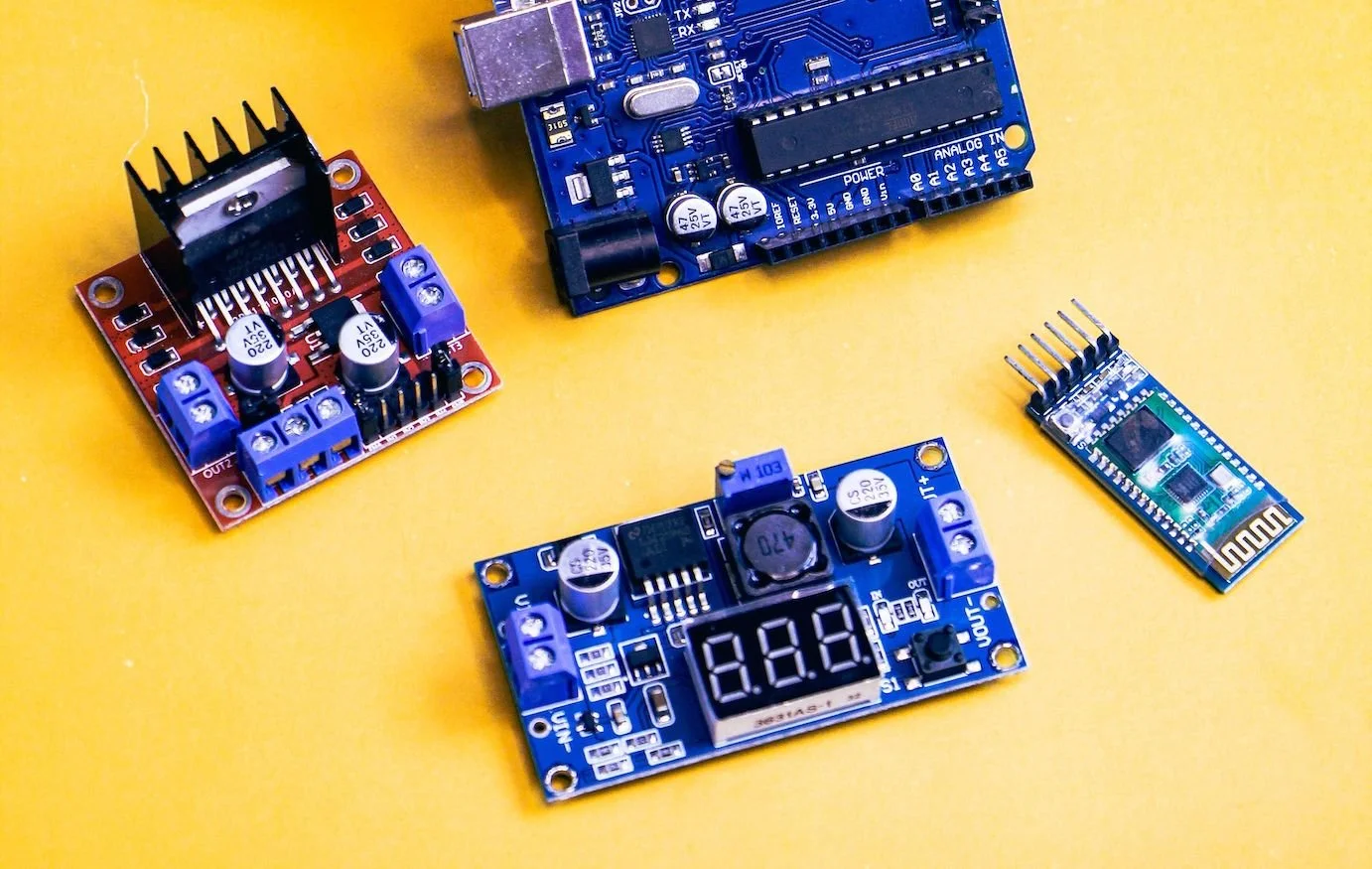
A Modular RF Architecture
The mission defines the RF front end — not the other way around.
Tempo's transceiver cards provide options ranging from integrated wideband transceivers to high-speed direct-sampling ADCs and DACs.
Supported configurations include technologies capable of:
Analog bandwidth up to 8 GHz
ADC sample rates up to 6 GSPS
DAC sample rates up to 12 GSPS
Integrated 70 MHz–6 GHz transceivers
Multi-chip synchronization
Multi-channel and phased-array architectures
This modular approach allows Tempo to address dramatically different RF missions using a common spacecraft-qualified platform.
Designed for Demanding RF Applications
Different missions push different parts of the RF chain. Tempo is built to handle them all.
-
High-speed communications support for X- and Ka-band, data rates greater than 1 Gbps, and waveforms including CCSDS and DVB-S2(X). RF monitoring and remote sensing are supported through high-bandwidth digitization and onboard processing for spectrum monitoring, signals intelligence, and remote-sensing applications.
-
High-speed ADC and DAC options, precise timing, and FPGA processing support radar and synthetic aperture radar imaging applications. For position, navigation, and timing, external precision timing references and deterministic signal processing enable applications where accurate time and phase are fundamental to the mission.
Processing and Data Movement Without the Bottleneck
Modern RF payloads generate enormous amounts of data.
Tempo combines programmable logic and application processing with high-speed interfaces designed to move that data where it needs to go.
Processing
Zynq UltraScale+ MPSoC
Quad-core ARM Cortex-A53
4 GB processor-side LPDDR4
4 GB programmable-logic DDR4
Networking
1 Gigabit Ethernet over copper
10 Gigabit Ethernet over fiber
Storage
4× QSPI NOR Flash
2× eMMC
2× M.2 NVMe SSD
The result is a platform capable of supporting demanding onboard DSP while providing the networking and storage needed for data-intensive missions.
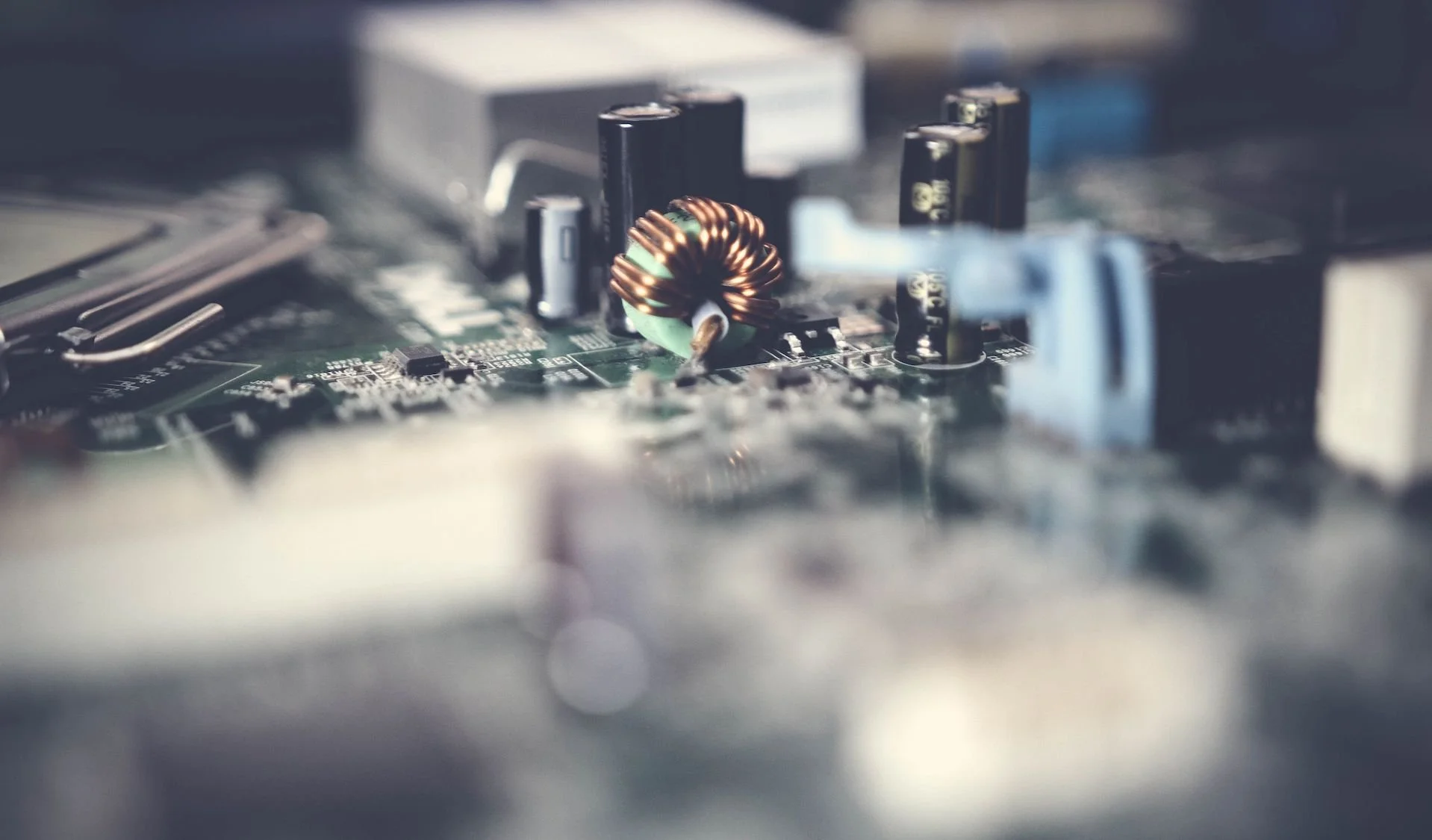
Built With Space in Mind
High-performance commercial electronics provide tremendous capability — but using them successfully in space requires an architecture designed around the environment.
Tempo applies Apsis's Careful COTS philosophy. A radiation-tolerant Microchip PolarFire housekeeping FPGA independently monitors critical electronics, protecting key subsystems against over-current, under-voltage, over-voltage, and radiation-induced events like SEFI and SEL. Tempo also incorporates redundant non-volatile storage and hardware-decoded critical commands.
Timing is part of that same architecture from the start. Tempo distributes external 1PPS and 10–100 MHz reference clock signals directly to the baseband processor and transceiver modules, so DSP applications can incorporate precision timing information — and when an external reference isn't available, an internal oscillator can be disciplined from an external 1PPS source.
Commercial capability, surrounded by the protection and precision spaceflight demands.
Preliminary Specifications
| Input Voltage | 10–35 VDC |
| Application Power | 12 W + transceiver |
| Processor | Quad-core ARM Cortex-A53 |
| Programmable Logic | Zynq UltraScale+ MPSoC |
| Memory | 4 GB PS + 4 GB PL |
| Networking | 1 GigE copper + 10 GigE fiber |
| Timing | External 1PPS + 10–100 MHz reference |
| High-Speed RF Interface | 8× JESD204B lanes per transceiver |
| Operating Temperature | -20°C to +50°C |
| Radiation | Estimated 20 krad TID |
| Vibration | NASA GEVS |
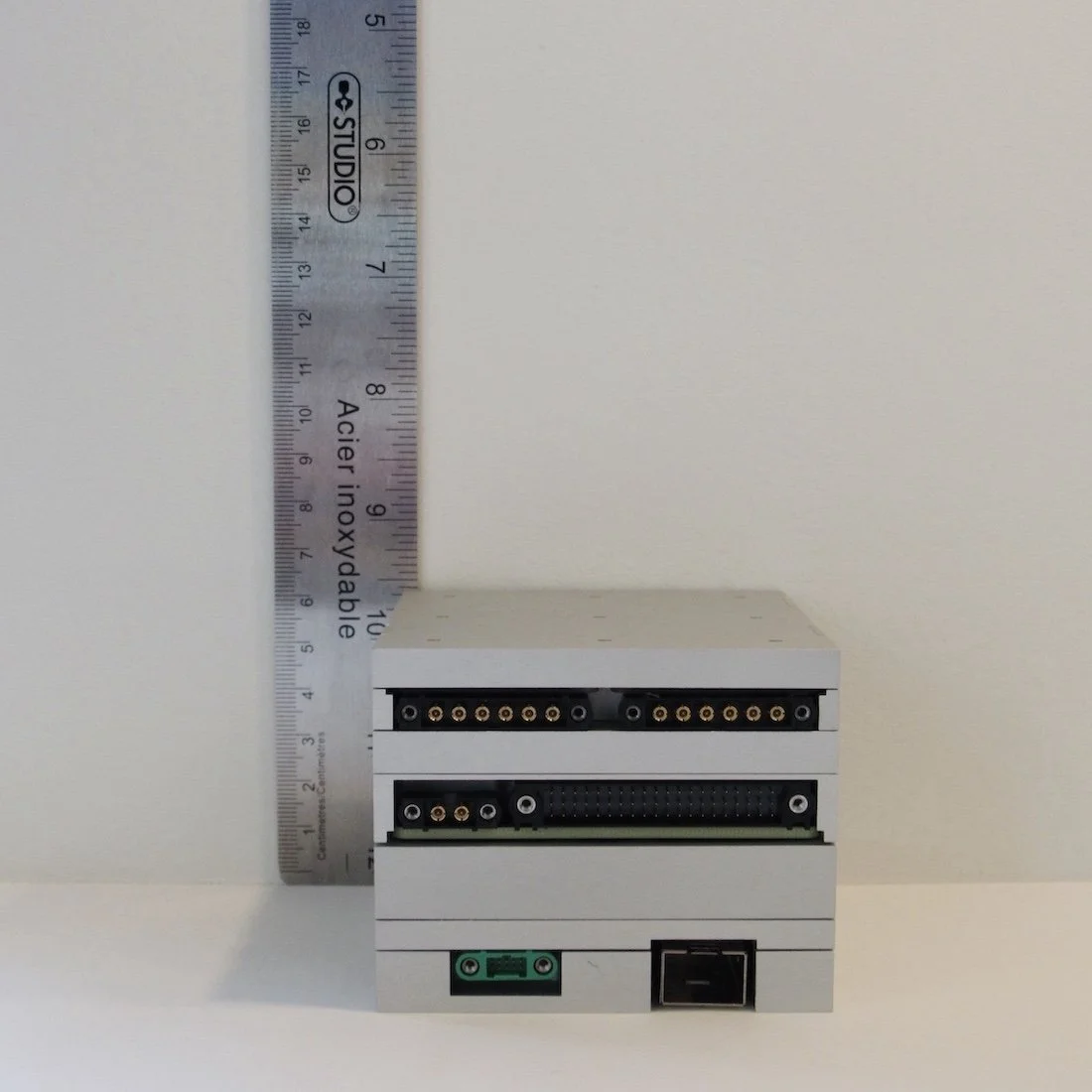
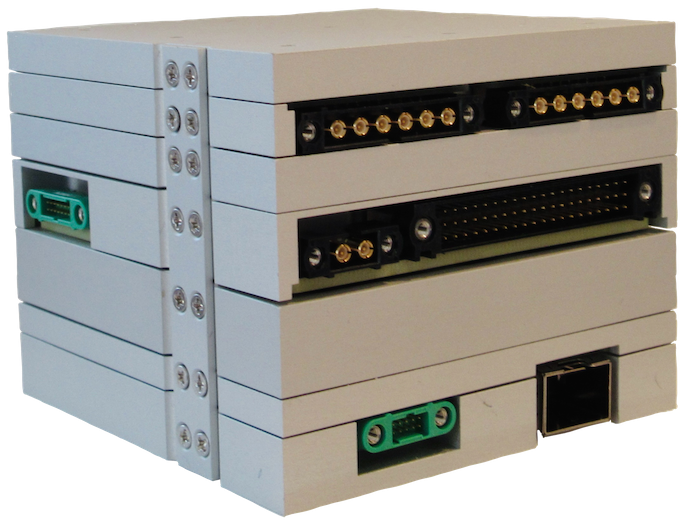
| Dimensions | 80 × 80 × 64 mm |
| Estimated Mass | 450 g |
Specifications are preliminary and subject to change as development and qualification progress.

Tempo Is in Development
Tempo is currently a pre-market product under active development by Apsis Science and Technology.
Development is supported by the Canadian Space Agency's Space Technology Development Program (STDP), AO9.3.
We're interested in speaking with satellite developers, payload teams, and mission designers whose future programs could benefit from Tempo's architecture.
Early conversations can help us understand your mission requirements — and help ensure Tempo is being built for the applications the industry actually needs.